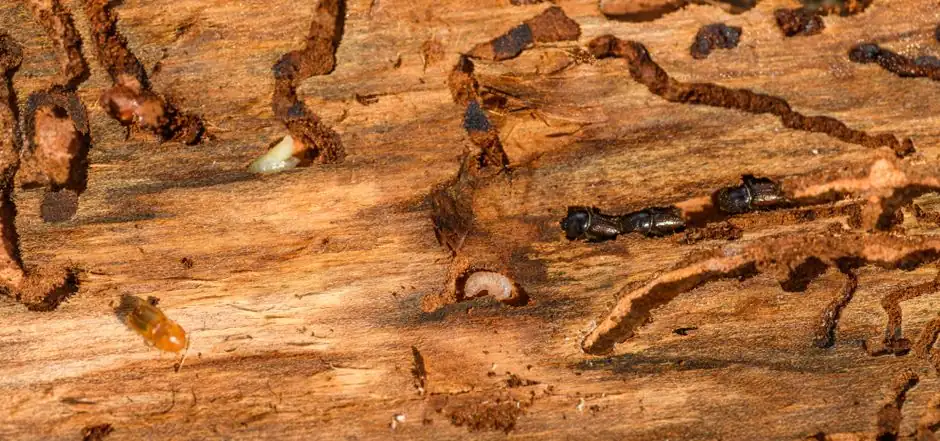
Termites can cause significant damage to your home if left unchecked. Understanding the various termite control options in Douglas is essential for homeowners. This article explores the types of termites, signs of infestation, control methods, and when to seek professional help.
What are Termites?
Termites are small insects that primarily feed on wood, making them a serious threat to homes and buildings. There are several species of termites, but the most common in Wyoming are the Eastern subterranean termite and the Western drywood termite. These pests can be particularly problematic in areas with older wooden structures, which are prevalent in Douglas.
Signs of a Termite Infestation
Identifying a termite infestation early can save you from extensive damage. Look for the following signs:
- Wood Damage: Hollowed-out wood or wood that sounds hollow when tapped.
- Frass: Termite droppings that resemble sawdust or tiny pellets.
- Swarmers: Winged termites that leave the colony to start new colonies.
- Mud Tubes: Pencil-sized tunnels made of mud that termites use to travel between their nests and food sources.
If you notice any of these signs, it's crucial to act quickly to prevent further damage.
Termite Control Methods
There are several effective termite control in Wyoming methods available:
1. Chemical Treatments
Chemical treatments involve applying pesticides to the soil around your home or directly to the wood. These treatments can create a barrier that prevents termites from entering your home. Some common chemicals include fipronil and imidacloprid, which are effective in eliminating existing colonies.
2. Bait Systems
Bait systems consist of stations placed around your property that contain a slow-acting insecticide. When termites consume the bait, they carry it back to their colony, gradually eliminating it. This method is less intrusive than chemical treatments and can be effective for long-term control.
3. Fumigation
Fumigation is a comprehensive treatment for severe infestations. It involves covering the entire structure with a tent and releasing a gas that penetrates all areas, killing termites. This method is often used for homes with extensive damage.
4. Borate Treatments
Borate treatments involve applying a borate solution to wood surfaces, which prevents termites from feeding on the wood. This method is particularly effective during the construction phase of a home.
DIY vs. Professional Termite Control
While DIY methods can be tempting, they often lack the effectiveness of professional treatments. Homeowners may attempt to use over-the-counter pesticides, but these often do not reach the heart of the infestation. Professional exterminators, like those at Wyoming Pest Control, have access to more potent treatments and the expertise to identify and eliminate termite colonies effectively.
Common Mistakes in Termite Control
Homeowners often make several common mistakes when dealing with termites:
- Ineffective Treatments: Relying solely on DIY methods can lead to incomplete eradication.
- Ignoring Early Signs: Failing to act on early signs of infestation can result in extensive damage.
- Neglecting Regular Inspections: Not scheduling regular pest control inspections can allow infestations to develop unnoticed.
When to Call a Professional
If you suspect a termite infestation or notice signs of their presence, it's time to call a professional. A qualified exterminator can conduct a thorough inspection and recommend the best course of action. At Wyoming Pest Pros, we specialize in Pest Control in Douglas and can help you protect your home from termites.
Frequently Asked Questions
1. How can I tell if I have termites?
Look for signs like mud tubes, frass, and damaged wood. If you notice these, contact a pest control professional for an inspection.
2. How much does termite control cost?
The cost of termite control varies based on the severity of the infestation and the treatment method used. On average, homeowners can expect to pay between $200 and $2,500.
3. Can I prevent termites?
Yes, preventive measures include keeping wood away from the soil, sealing cracks, and scheduling regular inspections with a pest control expert.
4. How long does termite treatment last?
Depending on the method used, termite treatments can last from several months to several years. Regular inspections can help maintain effectiveness.
5. Are termite bait systems effective?
Yes, bait systems can be highly effective if properly installed and monitored, often leading to long-term control of termite populations.