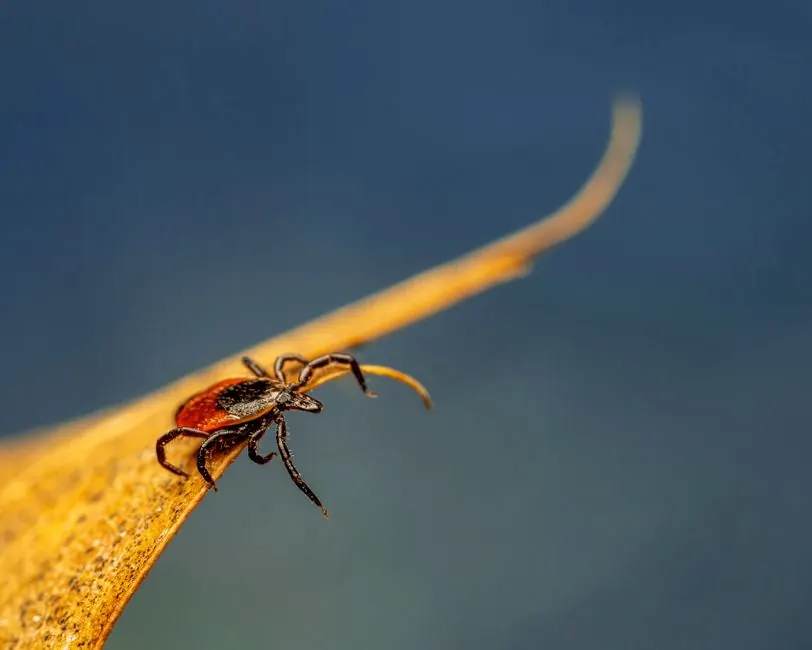
Fleas and ticks are more than just a nuisance; they pose health risks to pets and humans alike. Understanding how to treat and prevent these pests is crucial for maintaining a safe and comfortable home. In this article, we'll explore effective flea and tick treatment options in Gillette, including signs of infestation, treatment methods, and preventative measures.
Understanding Fleas and Ticks
Fleas and ticks are common parasites that thrive in various environments. Fleas are small, jumping insects that feed on the blood of mammals, while ticks are arachnids that attach to their hosts to consume blood. Both pests can transmit diseases, making their control essential for pet owners and families.
In Gillette, the prevalence of fleas and ticks can vary with the seasons. Warmer months typically see an increase in these pests as they thrive in humid conditions. Understanding their life cycles can help you effectively combat infestations.
Signs of Infestation
Identifying a flea or tick infestation early can save you from more extensive problems later. Here are some common signs to look for:
- Fleas: You may notice your pets scratching excessively, biting at their skin, or developing hot spots. Flea dirt, which looks like black pepper, can often be found in your pet's fur.
- Ticks: Ticks are often visible on your pets or in your yard. They can appear as small bumps on the skin and may be engorged after feeding.
If you suspect an infestation, it's crucial to act quickly to prevent it from spreading to your home and yard.
Treatment Options
When it comes to treating fleas and ticks, several options are available:
- Topical Treatments: These are applied directly to your pet's skin and can provide quick relief from fleas and ticks.
- Oral Medications: These are given to pets and work systemically to kill fleas and ticks.
- Flea Collars: Special collars can repel fleas and ticks, providing ongoing protection.
- Environmental Treatments: Treating your home and yard is equally important. This might include vacuuming, washing bedding, and using insecticides specifically designed for fleas and ticks.
For comprehensive solutions, consider professional flea and tick treatment services that can address both your pets and your home.
Preventative Measures
Preventing flea and tick infestations is often easier than treating them. Here are some effective strategies:
- Regularly groom your pets and check for signs of fleas and ticks.
- Maintain a clean home by vacuuming frequently and washing pet bedding.
- Use preventative treatments year-round, especially if you live in a tick-prone area.
- Keep your yard tidy by mowing the lawn and removing debris where ticks may hide.
By implementing these measures, you can significantly reduce the likelihood of an infestation.
Common Mistakes
When dealing with flea and tick treatments, homeowners often make several common mistakes:
- Skipping Prevention: Many wait until they see signs of an infestation before taking action. Regular preventative measures are crucial.
- Not Treating the Environment: Focusing solely on pets without treating the home and yard can lead to recurring infestations.
- Using Inappropriate Products: Not all products are safe for all pets. Always consult with a veterinarian before starting any treatment.
Avoiding these mistakes can lead to more effective pest control and a healthier environment for your family and pets.
When to Call a Professional
If you're facing a severe infestation or if your at-home treatments aren't working, it's time to call a professional. Experts can provide targeted treatments that are often more effective than over-the-counter options. Wyoming Pest Pros offers comprehensive flea and tick treatment services tailored to your specific needs.
Frequently Asked Questions
How long does a flea and tick treatment take to work?
Most treatments start working within hours, but it may take a few days to see a significant reduction in the flea and tick population.
Can fleas and ticks live in my home?
Yes, both pests can thrive in your home, especially in carpets, bedding, and upholstery. Regular cleaning and treatment are essential.
Are there natural remedies for flea and tick control?
Some natural remedies include diatomaceous earth and essential oils, but their effectiveness can vary. Consult a professional for the best options.
How often should I treat my pets for fleas and ticks?
It's recommended to treat pets monthly during peak seasons, but consult your veterinarian for specific advice based on your area.
Why is it important to treat the yard for ticks?
Ticks can live in your yard and pose a risk to pets and children. Treating your yard helps reduce the risk of bites and disease transmission.
Get help with Pest Control in Gillette
If you're dealing with fleas and ticks, don't hesitate to reach out for professional help. Wyoming Pest Pros is here to assist you in keeping your home pest-free. Call us today at 8555154723 for effective pest control solutions.